







You wash the car, step back, and the paint looks sharp. Then the Perth sun hits the windscreen and every smear, wiper arc, and faint mineral spot shows itself at once. That’s the part that is often overlooked. Clean paint can still feel unfinished when the glass is hazy.
Glass asks for a different routine than paint. It doesn’t hide residue, it doesn’t forgive rushed towel work, and it shows every oily fingerprint the moment low sun hits it on the freeway. In hand car detailing, a clear windscreen isn’t about using some magic spray. It’s about matching the contaminant to the method, then keeping your towel control tidy enough that you’re not just moving film around.
Why Glass Detailing Deserves Its Own Routine?
A lot of people treat glass as the last quick step after washing. That’s usually why it ends up streaky. Windscreens collect layered contamination. Road film sits on the outside, interior plastics leave an oily haze on the inside, and hard water leaves behind mineral marks that plain cleaner won’t fully shift.
Why glass punishes lazy technique
Paint can still look decent with a little leftover product. Glass can’t. It’s non-porous, optically clear, and brutally honest, so any residue sits right in your line of sight.
Three things usually build up together:
- Traffic film that dulls the outer surface
- Interior off-gassing film that creates that greasy look at night
- Mineral spotting from dried water droplets
Each one behaves differently. A routine cleaner might handle light dust and fingerprints, but bonded contamination and etched spots need more than a casual wipe.
Practical rule: If the glass looks worse when the sun is low, the issue usually isn’t “dirt”. It’s residue.
That’s why technique matters more than the label on the bottle. Separate inside from outside. Work in the shade. Use one towel to clean and another to finish. Check your work from an angle, not just straight on.
For drivers who already stay on top of regular maintenance, that extra bit of care makes a bigger difference than most expect. A good maintenance rhythm is the same reason regular hand car washes and detailing support vehicle longevity. Glass is part of that picture because visibility is part of how the car feels every day.
A quick wipe can make the window look fine in the driveway. A proper glass routine keeps it clear when glare, headlights, and road spray make flaws obvious.
Need a proper reset instead of another quick wipe? Clean glass is one of the fastest ways to make the whole car feel finished, especially when haze and water spotting keep coming back.
Safe Cleaners and Tools Worth Keeping in Your Kit
The glass kit doesn’t need to be huge. It does need to be specific. Most streak problems come from using the wrong towel, overapplying cleaner, or dragging paint wax residue onto the glass.
What earns a place in the kit
A dedicated ammonia-free glass cleaner handles routine work well. It’s the safe default, especially where tinted glass is involved. For oily film, a simple isopropyl alcohol and distilled water mix cuts faster and usually leaves less residue than a heavier cleaner.
A waffle-weave towel is worth having just for glass. It grabs contamination and spreads product evenly. Then a low-pile finishing towel comes in after it to remove the last trace of haze. That second towel is where the crisp finish happens.
For bonded contamination, keep a glass-safe clay bar or clay mitt and a small foam applicator or proper lubricant. If cleaner isn’t touching the roughness, don’t keep scrubbing. Decontaminate the glass first.
What usually causes trouble
Avoid household cleaners with ammonia on tint. Avoid abrasive scrub pads full stop. Both can create bigger problems than the marks you started with.
A few simple trade-offs matter:
| Tool or cleaner | Best use | Main drawback |
|---|---|---|
| Ammonia-free glass cleaner | Regular maintenance | Won't remove bonded spotting on its own |
| Isopropyl and distilled water mix | Oily interior film and wipe-downs | Can flash too fast on hot glass |
| Waffle-weave towel | Main cleaning pass | Needs to be kept clean and separate |
| Low-pile finishing towel | Final buff | Useless if the first towel is overloaded |
| Glass-safe clay | Bonded contamination | Needs lubrication and light pressure |
Store glass towels away from paint towels. If they pick up waxes, dressings, or polish residue, you’ll chase smears around for the rest of the job.
If you want a broader cabin-care setup around that same tidy, low-residue approach, this guide on car interior protectant choices and surface care is useful because the same overspray habits that ruin glass also create greasy dashboards.
One local option that fits this type of process is Prime Shine Hand Car Wash, which lists full detailing, glass cleaning within services, and add-ons that suit maintenance-focused work rather than rushed drive-through cleaning.
Build a separate glass kit and your results change immediately. Most smeary finishes aren’t a product failure. They start with cross-contaminated towels and too much liquid on the surface.
Cleaning Inside Glass Without Making a Mess
Inside glass is where many people struggle. The space is tighter, the angles are awkward, and it’s easy to overspray cleaner onto trim, screens, and sensors. The fix is control.
Start with the dash, not the glass
If dust is sitting on the dash and vents, your glass job is already harder. Wipe those areas first with a slightly damp microfibre. That settles loose dust so it doesn’t kick up and land on freshly cleaned glass.
Then spray your cleaner onto the towel, not directly onto the window. That matters most around the rear-view mirror housing, rain sensors, dash cameras, and infotainment screens. A light mist into the towel gives you enough bite without sending product into gaps and electronics.
Use an S-pattern on the inside of the windscreen, starting high and working down. The top edge usually holds the most film, and the lower corners are where people leave untouched haze because they rush the reach.
The film on the inside needs a second pass
The stubborn layer on interior glass is usually oily rather than dusty. Front windscreens cop that most because of airflow and plastic off-gassing. One wet pass often loosens it but doesn’t fully finish it.
Clean the film first. Then buff the residue from the cleaner itself before it dries unevenly.
That’s where the dry low-pile towel earns its place. After the first pass with the waffle-weave, fold the finishing towel into quarters and buff with light pressure. Change to a fresh face often. Once the towel starts loading up, it stops removing haze and starts smearing it.
A tidy inside-glass routine looks like this:
- Dust control first with a damp cloth on dash and vents
- Mist towel lightly instead of spraying the glass
- Work top-down with overlapping passes
- Use fresh towel faces for lower corners and side windows
- Finish dry with a low-pile buff towel
If you’re working around trim and instrument surfaces at the same time, dashboard cleaning habits that avoid overspray and residue make the whole cabin easier to manage.
Be careful around door speakers and the edges of aftermarket tint. Product seepage in those spots creates mess quickly. Around dash cameras, clean right up to the mount with the edge of the towel rather than pushing cleaner underneath it.
If your inside windscreen still glows under oncoming headlights, it usually needs a dry follow-up buff. One-pass cleaning rarely fixes interior film properly.
Cleaning Outside Glass and Beating Water Spots
Outside glass needs a more mechanical approach. Dirt, overspray, tree residue, and minerals all sit on the surface differently, so the order matters. If you skip straight to cleaner and towel, you can grind contamination across the glass and still leave spots behind.
The right order for exterior glass
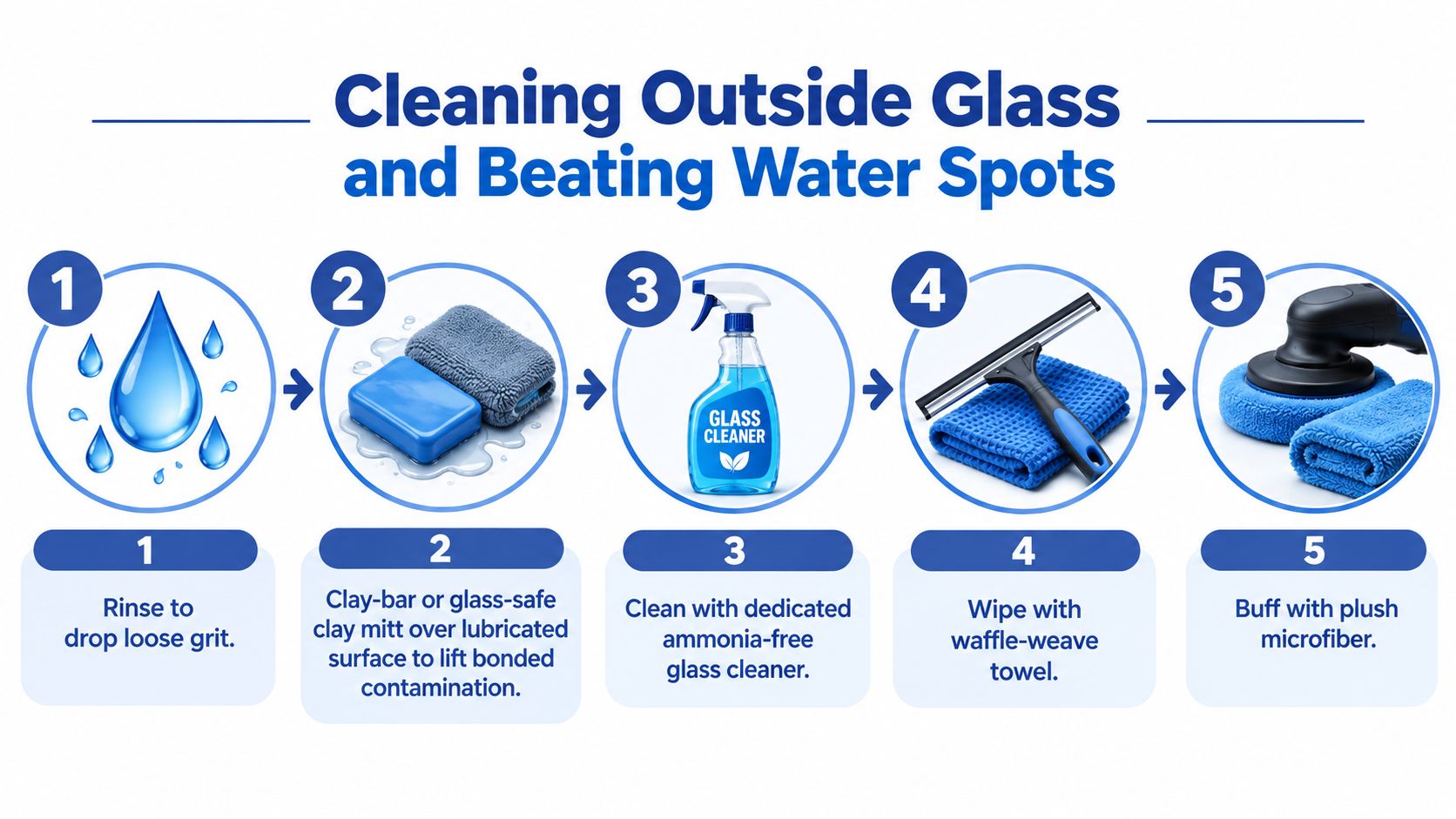
Start with a rinse to drop loose grit. That first step isn’t glamorous, but it stops you dragging abrasive dust around. Then decontaminate with a lubricated glass-safe clay bar or clay mitt if the surface feels rough to the hand.
After that, use your ammonia-free cleaner and a waffle-weave towel. Work in the shade, top-down, and edge to edge. Don’t flood the panel. A modest amount of product gives a cleaner wipe and less residue to chase.
Why water spots don’t behave like normal dirt
Water spots are mineral deposits. That’s why a standard glass spray can leave them looking unchanged. For light spotting, a 1:1 isopropyl alcohol and water mist or a mild white vinegar dilution can help break the deposit so it wipes off cleanly. Let it dwell briefly, then wipe before it dries back on the glass.
Use the two-towel method at the end:
- First towel does the cleaning and loosens residue
- Second towel buffs the surface clear
- Final check happens in sunlight or with a torch reflection, not under flat garage light
If marks remain after decontamination and a proper spot-removal attempt, you may be dealing with etching rather than surface deposit. At that point, more rubbing usually wastes time.
Hard water marks that survive proper cleaning aren’t being “stubborn”. They may have already bitten into the surface.
For the broader wash stage that surrounds this process, what an outside car wash should include and why hand washing wins lines up well with glass work because it keeps contamination load lower before the finishing steps begin.
There’s also a practical WA angle here. Water rules matter to anyone doing hand car detailing as a business. One published rule set allows washing at a business that services, details, or repairs vehicles, and permits washing with a bucket, a hand-held hose with a trigger nozzle, or a high-pressure low-volume cleaner, which directly supports commercial detailing activity in that setting (water-use rule details). Separate published restriction settings also cap some commercial car washes at no more than 70 litres per vehicle unless they operate under an approved Water Use Plan, while older sites under another rule set may be allowed up to 100 litres per wash. For driveway work, that’s why method and compliance matter, not just elbow grease.
Common Mistakes That Leave Smears Behind
Most smears come from habits, not from dirty glass alone. The finish gets ruined before the final wipe even starts.
Four mistakes that keep showing up
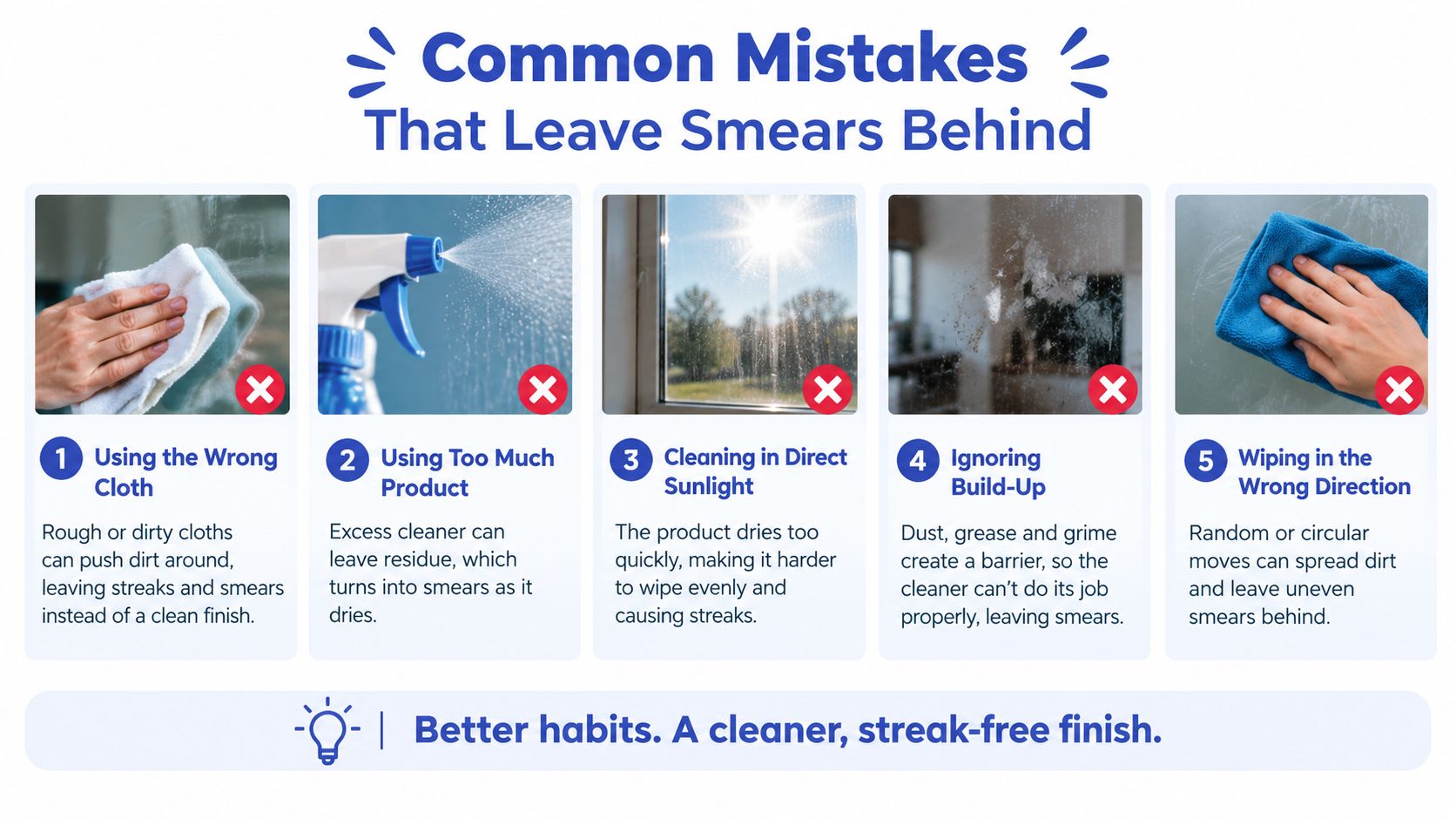
- Paper towels on hot glass bake residue on and leave lint behind. Swap them for a fresh waffle-weave and a separate plush finishing towel.
- Generic glass cleaner in direct sun flashes too fast. Work on cool glass in shade, or at least dampen the working surface lightly so product doesn’t dry mid-pass.
- Dirty chamois or wash sponge use puts oils and grit back onto the glass. Keep a dedicated glass towel set and store it away from paint and trim towels.
- Old wiper blades repaint the windscreen with a greasy arc every time they move. Clean the blade edge with isopropyl during service, and replace cracked or hardened blades.
A simple test helps at the end. Rub a clean finger lightly across fully dry glass. If it squeaks and doesn’t leave a greasy trail, you’re usually done. If it glides, there’s still residue sitting there.
Australia’s wash market is active but uneven, which is one reason so many owners settle for quick maintenance instead of true finishing work. In a consumer study, Australians averaged 9.2 washes per year, professional users averaged 10.6, and the share of consumers washing most often at a car wash rose by 13 percentage points (Australian consumer wash study). That pattern fits what shows up on glass every day. Cars get washed. Glass often still gets rushed.
Stop blaming the bottle. If smears keep returning, change the towel workflow, the working temperature, and the wiper condition before buying another cleaner.
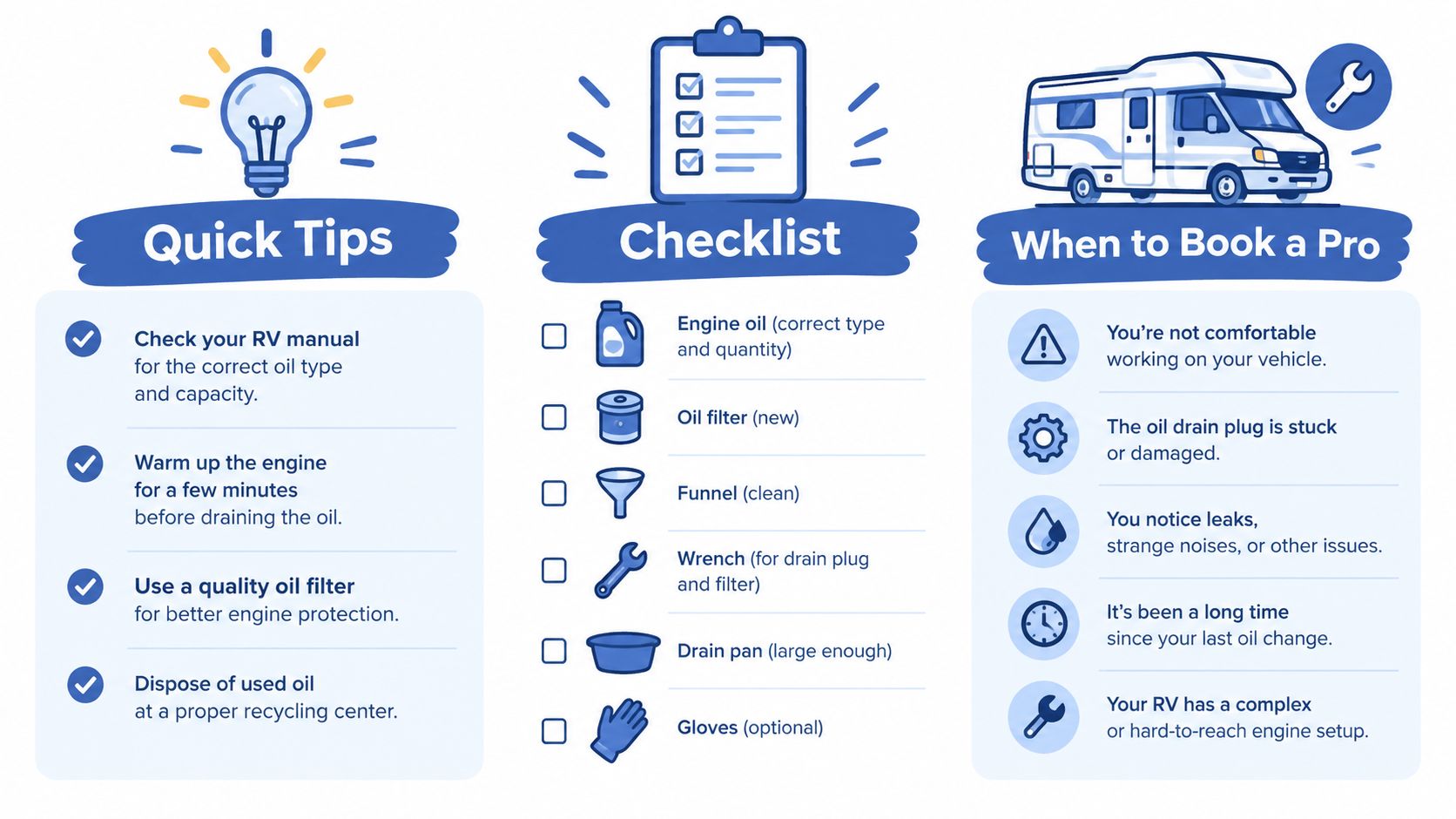
Quick Tips, Checklist, and When to Book a Pro
If the glass is only lightly dusty or fingerprinted, a weekly maintenance clean doesn’t need to be a production. Keep it short and consistent.
A five-minute maintenance routine
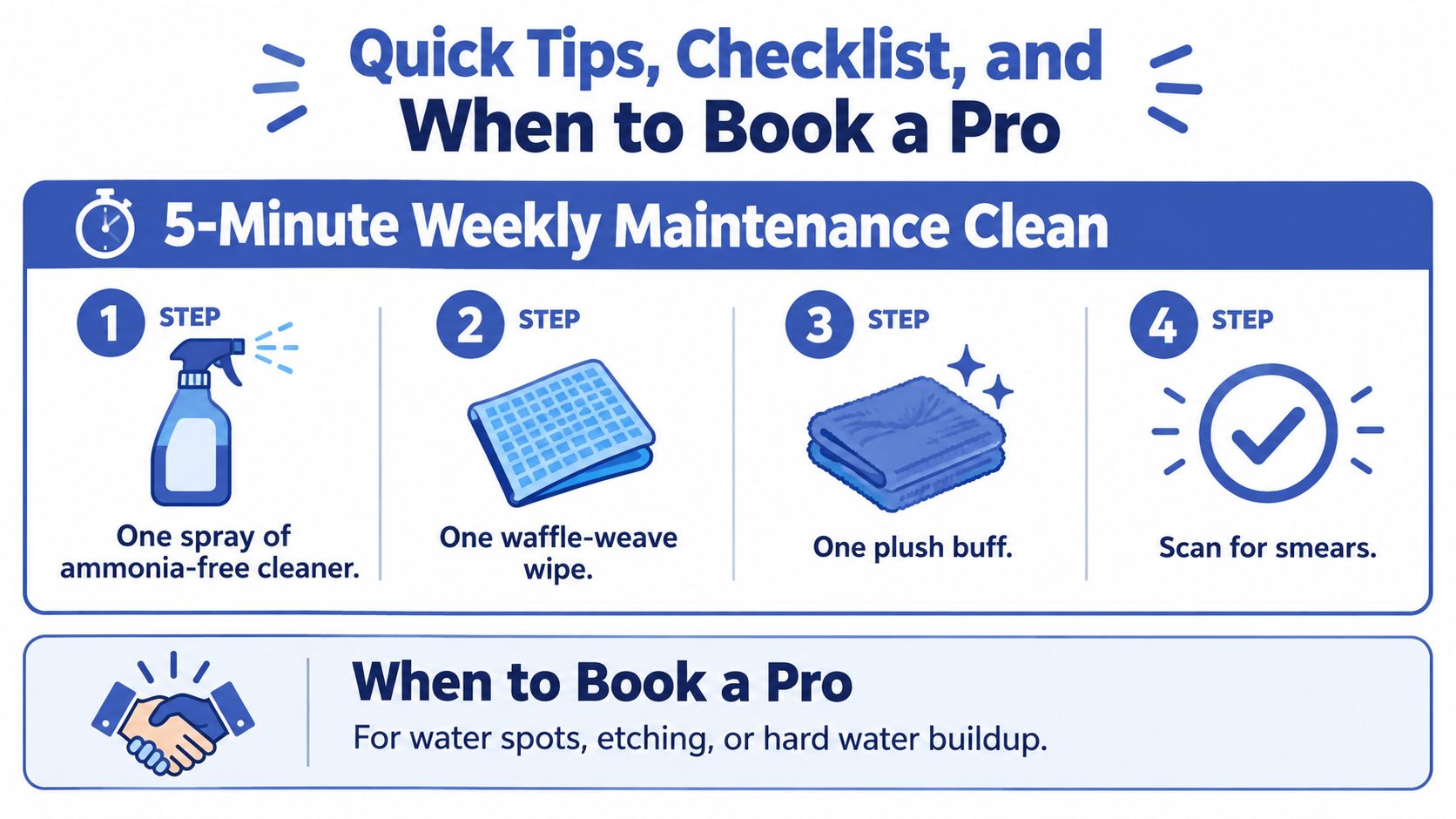
- One light spray of ammonia-free cleaner onto the towel
- One waffle-weave wipe over the section
- One plush buff to clear remaining haze
- One final scan from an angle for smears or arcs
When the job has moved past maintenance
Book a pro when you’re dealing with wiper arc haze that keeps returning, mineral spotting that won’t shift, smoker or pet-owner interior film, or aftermarket tint with lifting edges. Those jobs need more control than a quick driveway wipe.
One more practical point matters in WA. Commercial hand-detailing activity sits inside water-use rules, and those rules shape what can be done legally and responsibly. That matters because the detailing sector itself is still substantial but under pressure. IBISWorld estimated A$613.7 million in industry revenue in 2025, down 1.1% that year, with 3,438 people employed and a slightly negative five-year employment trend, while monthly upkeep is already common, with 45% of surveyed Australian drivers cleaning interiors at least monthly and 44% cleaning exteriors monthly. In plain terms, plenty of owners maintain their cars regularly, but the glass problems that remain usually come from technique, contamination, or legal limits around how bigger wash jobs get done.
A final checklist is simple. Keep dedicated towels, use modest product, avoid heat, inspect your blades, and don’t keep scrubbing etched spots as if they’re ordinary dirt.
Prime Shine Hand Car Wash offers hand washing, interior and exterior detailing, full detailing, paint correction, and paint protection from its Westminster site in Perth, so glass cleaning can be handled as part of a proper maintenance or reset-level detail. If your windscreen keeps showing haze, spotting, or stubborn residue after home cleaning, have a look at Prime Shine Hand Car Wash and book the level of service that matches the condition of the car.