







You wash the car on Saturday, stand back for a second, and it looks fine. By Monday, the bonnet has a film on it again, the wheels are dull, and the lower doors are carrying that grey road grime Perth drivers know too well. If you’ve been along the coast, salt sits on the paint longer than often appreciated. If you’ve been out east or up north, dust works its way into every seam and badge.
That’s where a common question arises. Is a fast drive-through wash good enough, or is a proper outside car wash by hand worth it? In Westminster and across Perth, that choice matters more than it sounds, because our conditions are hard on paint, trim, wheels, and glass.
Why Your Car’s Exterior Needs More Than a Quick Rinse?
A lot of outside car wash problems start with something that seems harmless. You park near the beach, drive home, and the car doesn’t look filthy. Then a week passes. Salt residue stays on the lower panels, dust sticks to it, and the paint starts feeling rough instead of smooth.
A quick rinse removes loose dirt, but it doesn’t do much for bonded grime, brake dust, bug residue, or the film that builds on paint after everyday driving. That film isn’t just ugly. It changes how the surface reflects light and can make a car look older than it is.
In Australia, professional car washing and detailing remains a substantial category. The Car Wash & Detailing Services industry generated $608.4 million in 2026, according to IBISWorld’s Australia industry report. That figure matters because drivers keep paying for proper care when they want to preserve finish, not just remove visible dirt.
The local problem Perth drivers know well
Westminster drivers often deal with a mix of conditions instead of one obvious issue. A car might carry suburban road film during the week, then pick up coastal salt, tree residue, or dust from a weekend run. On darker paint, that buildup shows quickly. On lighter paint, it hides longer and fools people into thinking the car is cleaner than it is.
Practical rule: If the paint feels rough when you lightly run clean fingertips across it after washing, the car needed more than a rinse.
What a proper wash changes
A professional hand wash does two things a rushed wash usually doesn’t. First, it removes contamination in the right order. Second, it reduces the chance of adding fresh marks while cleaning.
That’s the difference. An automated wash often aims for speed and acceptable appearance. A proper outside car wash by hand aims to clean the vehicle while protecting the finish you already have.
The Anatomy of a Professional Outside Car Wash
A professional outside car wash should follow a sequence. If the order is wrong, the finish suffers even if the car looks shiny from a distance.
Professional manual hand car washes use a multi-stage approach that includes pre-soak, high-pressure rinse, and soft-cloth washing, as outlined by the Australian Car Wash Association’s car wash process overview. That order matters because loose grit needs to come off before anyone starts touching the paint.
What happens before the mitt touches the paint
The safest wash starts with pre-soak. This softens traffic film, bug remains, and dusty buildup so they release more easily. Straight after that comes the high-pressure rinse, which clears off as much loose contamination as possible from the paint, wheel arches, and lower panels.
Then the contact wash begins. Good operators separate wheel cleaning from paintwork and use soft wash media on the body. Wheels carry heavier grime, especially brake dust, and you don’t want that dragged onto doors or guards.
A proper outside wash also pays attention to the areas many fast services skim over:
- Wheels and arches: Brake dust and road residue collect here first.
- Lower doors and sills: These hold the worst of Perth road film.
- Badges, grilles, and trims: Dirt hides in edges and tight gaps.
- Drying stage: Water left to air-dry leaves spotting, especially in warmer weather.
Where the finish is won or lost
Drying is where many average washes fall apart. If towels are dirty, if the car hasn’t been rinsed properly, or if people rush across the surface, they leave behind the same kind of fine marring owners later blame on “soft paint”.
A clean car isn’t just one that’s wet and soapy for ten minutes. It’s one that’s cleaned in a way that doesn’t create the next problem.
There’s also a practical infrastructure side that customers rarely see. Australian car wash sites need suitable bay sizing and wastewater controls such as oil-and-water separation and trade waste compliance, as outlined in this guide to Australian car wash bay requirements. That matters because a professional wash isn’t only about gloss. It’s also about operating cleanly and legally.
Hand Wash vs Automated Brushes A Clear Comparison
The appeal of an automated brush wash is obvious. It’s fast, predictable, and easy to fit into a busy day. For some drivers, that convenience is enough.
The problem is what those brushes can do over time, especially on dark colours, softer clear coats, gloss black trims, and cars that already have light marring. Once you notice swirls in full sun, you can’t unsee them.
What you gain with speed
Automated brush washes do have legitimate advantages.
- Fast turnaround: Good when the car only needs a quick cosmetic refresh.
- Simple routine: Easy for commuters and fleet drivers.
- Lower effort: You stay in the car and move on.
That’s why they remain popular. But “good enough for today” isn’t the same as “good for the finish”.
What you risk on the paint
According to this Australian exterior detailing article, 38% of Australian consumers reported paint damage or swirl marks after using automated tunnel systems. The same source states that professional hand washing can reduce the risk of such defects by over 70% and extend the durability of paint protection coatings by up to 40%.
Those numbers line up with what detailers see in practice. Brush contact is the issue. If debris stays trapped in the wash material, it gets dragged across panel after panel. On flatter surfaces like bonnets and boot lids, that often shows up first.
Here’s the practical comparison.
| Feature | Professional Hand Wash | Automated Brush Wash |
|---|---|---|
| Paint contact | Controlled, targeted, and easier to keep gentle | Repeated mechanical contact across the vehicle |
| Dirty areas | Can be treated differently from cleaner panels | Same system often touches all surfaces |
| Wheels and intricate shapes | Better access to spokes, lips, and edges | Coverage varies on complex designs |
| Sensitive trims and add-ons | Easier to work around carefully | More risk around delicate exterior parts |
| Time | Slower | Faster |
| Finish quality | Better when done properly | Acceptable from a distance, less precise up close |
For a deeper look at where a hand wash fits into long-term paint care, this guide to a perfect shine is a useful reference.
If you plan to keep the car for years, the cheapest wash on the day can become the more expensive choice later when you need correction work.
Choosing Your Ideal Exterior Wash Package
The right package depends on what the car needs today, not what sounds most impressive on a menu. Some cars need simple maintenance. Others need restoration. A few need protection more than cleaning.
Australia’s car wash service market is projected to grow from USD 683.5 million in 2025 to USD 1,165.0 million by 2033, according to Grand View Research’s Australia market outlook. The reason is straightforward. More drivers are paying for higher-quality care when they want to maintain appearance and resale condition.
Match the package to the car not your mood
If the exterior is dusty, the wheels are grimy, and you just want the car clean again, a standard outside car wash is often enough. That suits regular upkeep and daily drivers that aren’t carrying heavy defects.
If the paint looks flat or you want more gloss for an event, sale, or weekend use, a wash with hand wax and polish makes more sense. That isn’t paint correction, but it can improve presentation and leave the finish looking sharper.
A mini detail is useful when the car needs more than a quick clean but not a full reset. Door jambs, a better drying finish, and more attention to the details usually make the difference.
When to step up from a wash to correction or protection
If you can already see swirl marks, fine scratches, or dullness that washing doesn’t fix, washing alone won’t solve it. That’s the point where cut and polish comes in. It addresses defects in the paint rather than just what’s sitting on top of it.
If you’re tired of seeing the car lose its easy-clean finish after every few weeks, ceramic coating is the long-term option. It changes maintenance more than appearance on day one. The main benefit is how much easier the car is to wash and dry afterwards.
For Westminster drivers comparing practical package options, Prime Shine Hand Car Wash services and pricing shows how these services are grouped. Prime Shine Hand Car Wash is one local option at 9/436 Wanneroo Rd, Westminster, offering outside washes, detailing, correction, and protection with online booking and published starting prices.
How to Maintain Your Car’s Shine Between Washes?
The finish usually falls apart between washes because of habits, not because the last wash was poor. People let bird droppings sit, wipe dust off with a dry cloth, or park under the same dripping tree every day and hope for the best.
You don’t need a full detailing kit at home to keep the car looking respectable. You need a few safe habits and a bit of timing.
The small habits that actually help
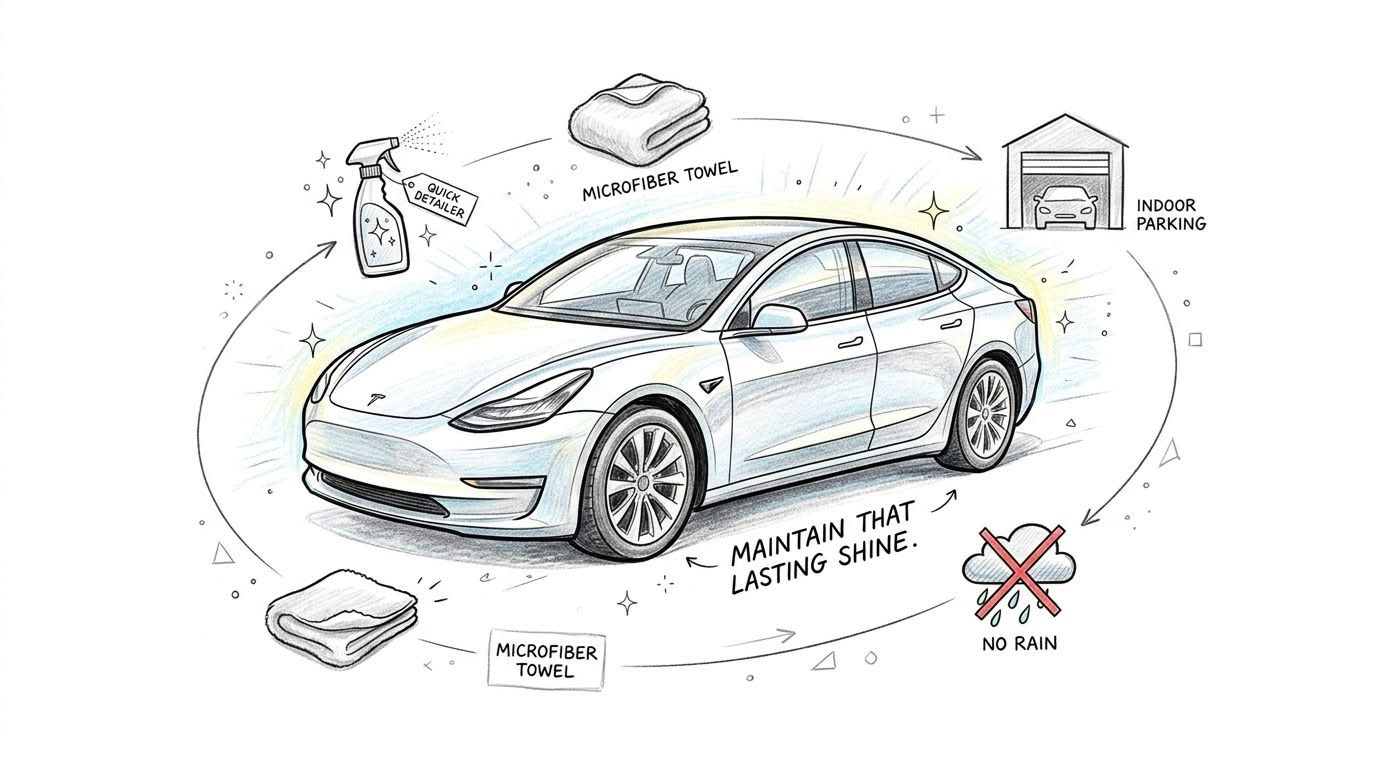
- Remove droppings quickly: Bird droppings and sap get harder to remove the longer they bake on the paint. Soften them first with a damp microfibre and lift gently.
- Use a quick detailer for light touch-ups: This works for fingerprints, very light dust, and fresh marks. It’s not a replacement for washing a dirty car.
- Keep clean towels separate: One towel for paint, another for wheels, another for door shuts. Mixing them is how scratches get introduced at home.
- Park with the finish in mind: Shade helps, but avoid spots where sprinklers, sap, or heavy leaf litter hit the car daily.
Workshop habit: If a panel feels gritty, don’t wipe it dry. Lubricate it properly or wait for a full wash.
What not to do between washes
The biggest mistake is using whatever’s in the garage to “just wipe it down”. Old bath towels, kitchen cloths, and dry dusting are rough on paint. So are cheap sponges loaded with grit.
Don’t chase every speck. Perth dust returns quickly. It’s better to leave light dust alone for a day or two than grind it into the clear coat trying to keep the car flawless every afternoon.
Also be careful with wheels. They look tough, but brake dust can be stubborn and some finishes mark easily if scrubbed with the wrong brush or cloth.
Local Car Wash FAQs for Perth and Westminster Drivers
How often should I wash my car near the coast?
If you regularly drive near the coast, wash it based on exposure, not on a fixed calendar. Salt spray doesn’t always look dramatic, but it sits on lower panels, glass, and wheels. If the car has had several beachside runs, don’t wait until it looks heavily soiled.
A maintenance rhythm works better than a rescue job. The cleaner the car stays, the easier and safer each wash becomes.
Is hand washing better for WA dust and daily grime?
Yes, especially when the car is carrying fine dust over otherwise decent paint. WA dust often looks harmless, but if you rub it around during washing, it can mark the surface. A hand process lets the washer remove that contamination gradually, starting with rinse and pre-soak rather than immediate brush contact.
That control is the advantage. It matters most on black cars, dark grey cars, and anything with soft or highly reflective paint.
What is the difference between a quick exterior wash and a mini detail?
A quick exterior wash usually focuses on the obvious outside surfaces. It gets the paint, wheels, tyres, and drying done efficiently.
A mini detail normally adds more finish work. That can include a more careful dry, extra attention around edges, and cleaning areas like door jambs that make the whole car feel fresher when you open it.
Do wheel cleaning and tyre shine actually matter?
They do, but not for the same reason. Wheel cleaning matters because wheels collect stubborn grime, including brake dust, and that buildup changes the whole look of the car. Even when the body is clean, dirty wheels make the vehicle look unfinished.
Tyre shine is mostly visual. Used lightly, it finishes the look well. Used heavily, it can look greasy and throw sling onto paint.
Around Westminster, a lot of cars don’t need a dramatic service. They need a careful, regular exterior wash done properly enough that the paint still looks good in full sun.
If your car is carrying Perth road film, coastal residue, or dull paint that a quick tunnel wash isn’t fixing, Prime Shine Hand Car Wash offers hand washing, exterior detailing, correction, and protection from its Westminster location with online booking and published packages.